There are 12 Chinese number mantras:
- Dòng (洞 ), or “zero”: pronounced approximately like “DOONG”
- Yī (一), or “one”: pronounced approximately like “YEE.”
- Èr (二), or “two”: pronounced approximately like “AR.”
- Sān (三), or “three”: pronounced approximately like “SAHN.”
- Sì (四), or “four”: pronounced approximately like “SUH,” “SIR,” or “SƏ.”
- Wǔ (五), or “five”: pronounced approximately like “WOO.”
- Liù (六), or “six”: pronounced approximately like “LYOH / LYOW,” somewhat similar to the name “LEO.”
- Qī (七), or “seven”: pronounced approximately like “CHEE.”
- Bā (八), or “eight”: pronounced approximately like “BAH.”
- Jiǔ (九), or “nine”: pronounced approximately like “JYOH / JYOW” or “JEE-OH.”
- Shí (十), or “ten”: pronounced approximately like “SHER,” “SHIH,” or “SHƏ.”
- Shí yī (十一), or “eleven”: pronounced approximately like “SHER EE.”
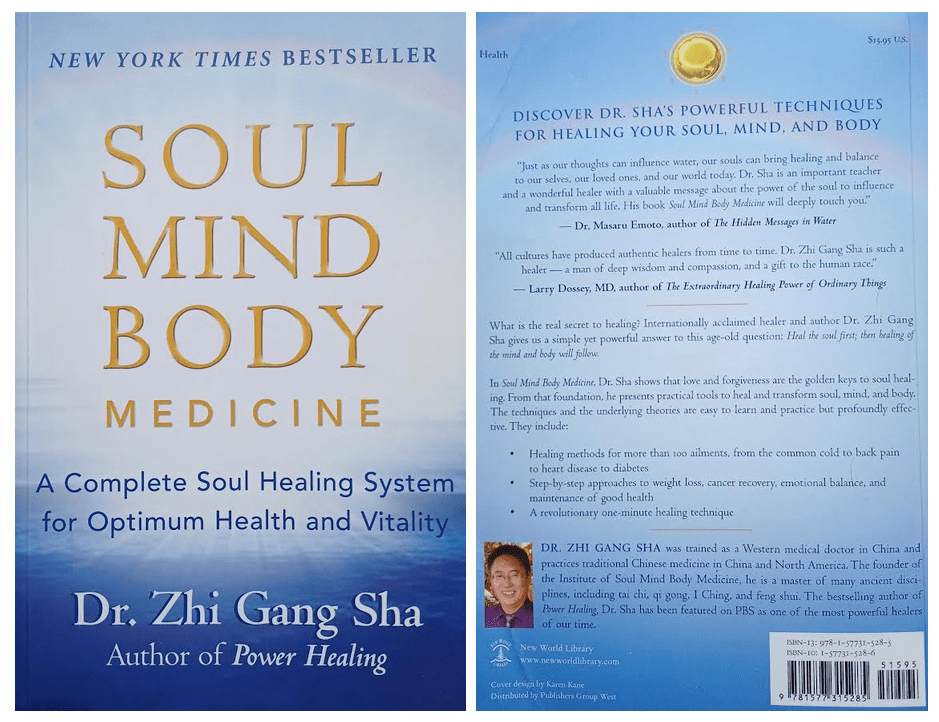
The meanings of all twelve mantras are briefly discussed in Dr. Zhi Gang Sha’s book Soul, Mind, Body Medicine: A Complete Soul Healing System for Optimum Health and Vitality. In the 2006 edition, the meanings of these mantras are explained on pages 125 and 179. Some slightly different or expanded meanings of the Yi and Shi mantras can be found on my blog.
The number mantras can be compared with the so called Five Healing Sounds. There are at least two different correspondences between the Five Healing Sounds and the Five Elements. I use the following system, which I learned in 2004 from my former teacher, Lea Zgonik Cestnik, who in turn learned it from her teacher, Aiping Wang. Aiping Wang initially taught Healing Qigong, but later developed a different form of spiritual technology in Zagreb and New Zealand. The sequence of sounds and elements in this lineage is KONG, SHANG, JIAO/CIAO, ZHENG and YU:
- Gōng (宫), pronounced “GOON(G).” The final NG has no audible G. This type of NG is sometimes written as Ŋ. The GONG mantra represents the Earth element, the spleen, pancreas, and stomach. In Qigong, the alternative and less suitable sound KONG is sometimes used; it is pronounced approximately “KON(G).”
- Shāng (商), pronounced “SHAHN(G).” It represents the Metal element, the lungs, and the large intestine.
- Jué (角), pronounced “JOO-WEH.” In Qigong, JIAO is sometimes used as an alternative, pronounced approximately “JYOW / JEE-AH-OH,” as is CIAO, pronounced “TSYOW / TSEE-AH-OH.” It represents the Water element, the kidneys, and the bladder.
- Zhǐ (徵), pronounced “JIR” or “JƏR.” In Qigong, the sound ZHENG is sometimes used, pronounced approximately “JHNG” or “JƏNG.” It represents the Wood element, the liver, and the gallbladder.
- Yǔ (羽), pronounced “Ü” or “YEE-OO.” The sound Ü, sometimes approximated as “UEE,” is pronounced somewhat like “OO,” but with the lips rounded, as in German. It represents the Fire element, the heart, small intestine, and brain. It concentrates energy and often directs it upward.
We can see that four of the Five Healing Sounds have counterparts among the number mantras:
- Shāng (商) and Sān (三) both govern the lungs.
- Jué (角) and Jiǔ (九) both govern the kidneys and bladder.
- Zhǐ (徵) and Qī (七) both govern the liver and gallbladder.
- Yǔ (羽) and Yī (一) both govern the heart and brain.
This means that, in certain protocols, the number mantras Yī (一), Sān (三), Jiǔ (九), and Qī (七) can potentially be replaced with the Healing Sounds Yǔ (羽), Shāng (商), Jué (角), and Zhǐ (徵), respectively.
In Dr. Zhi Gang Sha’s book, part of the alleged healing number code promoted by Dr. Zhi Chen Guo could likewise be replaced with the pronunciation of the Five Healing Sounds. This number code is described on pages 56–57 of the 2006 edition.
Likewise, when studying the healing protocols based on the “One Hand Near, One Hand Far” healing technique, you can explore the alternative sounds Yǔ (羽), Shāng (商), Jué (角), and Zhǐ (徵) in all protocols that involve chanting the sounds Yī (一), Sān (三), Jiǔ (九), and Qī (七). In the 2006 edition of his book, Dr. Zhi Gang Sha describes the One Hand Near, One Hand Far protocols for various illnesses and bodily dysfunctions on pages 182–300.