November 1st marks an ancient holiday of Celtic origin, closely associated with the transition between the world of the living and the world of the dead. On the eve of this holiday, many celebrate what we know as “Halloween,” which has its roots in the mythology surrounding November 1st.
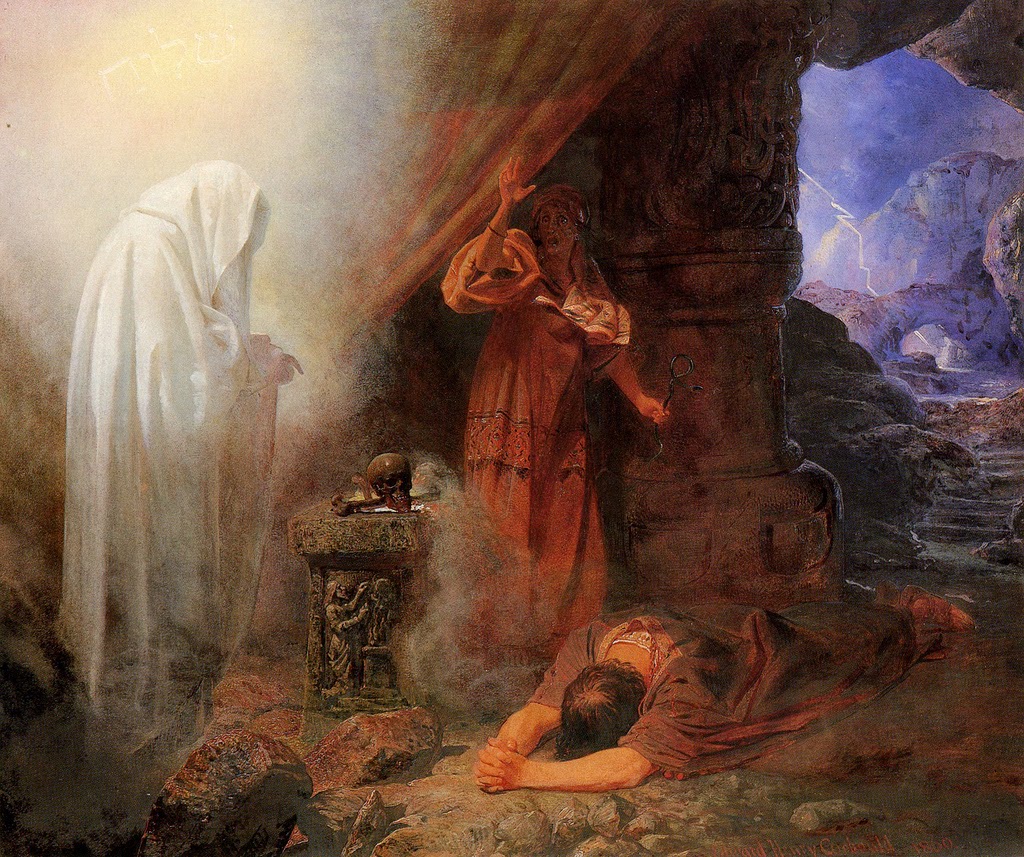
In various cultures, such as in China, the spirits of ancestors are especially honored. There, rituals often involve invoking the spirits of the deceased for guidance and protection. In contrast, Jewish tradition typically discourages any contact with spirits from the afterlife. As stated in the Bible: “Do not turn to the spirits of the dead and do not seek familiar spirits to become unclean by them. I am the Lord your God” (Leviticus 19:31). However, in times of distress, it seems calling upon the spirits of holy individuals might have been acceptable. For instance, Saul visited the Witch of Endor to summon the spirit of Samuel for advice (1 Sam 28).
Many Christians hold the belief that it is permissible to call upon the spirits of saints, including apostles and the Virgin Mary. Personally, I tread carefully around the idea of invoking the souls of the deceased. So, why is November 1st significant in this context?
The Celtic calendar celebrates the changing seasons with significant dates: summer on August 1st, winter on February 1st, spring on May 1st, and autumn on November 1st. As Celtic culture spread from Portugal to Eastern Europe and from Ireland to parts of Turkey, these dates evolved into important pagan festivals throughout Europe.
The Celts referred to the November 1st celebration as Samhain. This festival signified the autumn transition from summer to winter. The Celts believed that during Samhain, the barrier between the living and the dead was especially thin, allowing spirits to return to the realm of the living. The Celts performed various rituals to honor their ancestors (the benevolent spirits) and to protect themselves from potentially malevolent forces.
Autumn truly represents a shift from the world of the living to the world of the dead. Harvests are gathered, fields lie fallow, and nature begins to quiet down. In ancient farming communities, work slowed down, livestock were brought in from pastures, and wolves started to approach settlements. Additionally, travel routes, while still accessible, became vulnerable to bandits and invaders, posing a serious risk to neighboring tribes. Thus, this period was characterized by a search for safety, but also by danger, conflict, and death.
Spiritually speaking, the autumn transition serves as a passage into the other world, akin to crossing through a portal into the afterlife. The Celts and many others believed that during this time, the boundary between living and the dead blurred. This symbolism extends to our relationship with the other side, suggesting that among the spirits of the departed, one could encounter both benevolent guardian spirits and malevolent entities.
Can this symbolism be connected to Chaldean numerology? While Chaldean numerology developed in a very different cultural context than Celtic traditions, there is a fascinating link between the significance of November 1st and numerological symbolism. November is associated with the astrological sign of Scorpio, which governs the mysterious and the occult. Additionally, November aligns with the 8th house in astrology, which concerns issues of illness and death. The planetary rulers of Scorpio are the assertive Mars and, in modern astrology, Pluto, the lord of the underworld.
The first day of the month embodies the energy of the Sun, symbolizing life. This energy meets the energies of the underworld and the spirits of the deceased. The Sun in Scorpio also serves as a reminder that it is important to seek peace and distance from aggression in our lives. Ultimately, God remains the true Guide, even in the shadowy realms. Through peace and love, we can find protection from malevolent forces. In this way, we can discover salvation in this world and in the afterlife and let our hope shine like a beacon into the other world.

 The Mystery of Numbers, Luck, Worlds and Planets