In the previous article, I briefly outlined the connections between tarot cards and numbers. Some connections to Chaldean tradition may seem unusual at first glance, especially among the pips cards, since, for example, all threes of the suits are considered unlucky numbers (29, 43, 57, 71), while the number 3 itself is generally not unlucky. There can be several reasons for this. Among other things, we must consider that these cards are placed within the general numerical sequence from 1 to 78, which corresponds to Chaldean numerology. It should be emphasized that the interpretations of pips revealed by French occultists from the late 18th century differ significantly from the Chaldean tarot. Reconstructing the original tarot, or Chaldean tarot, is therefore a challenge. Regardless of the solutions proposed, it should be noted that in divination, any interpretation works, because the chosen interpretation becomes part of one’s own divinatory matrix. This is a comment from a numerologist who, by the way, does not practice divination 😊.
That Chaldean tarot existed in the 15th and 16th centuries is evident, besides the Major Arcana, primarily from the court cards, which consist of Kings, Queens, Knights, and Pages (23, 24, 25, 26, 37, 38, 39, 40, 51, 52, 53, 54, 65, 66, 67 (?) and 68). Kings 23, 37, 51, and 65 are powerful figures. Wands and Cups represent cycles of growth, while Swords and Coins represent cycles of decline. Wands and Swords are active, Cups and Coins are passive.
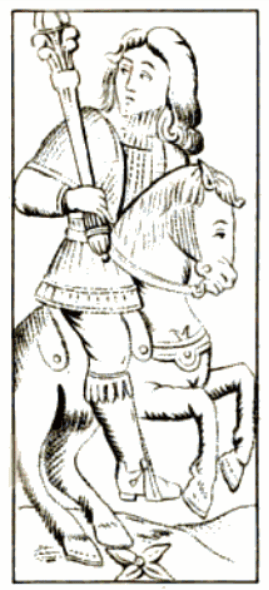
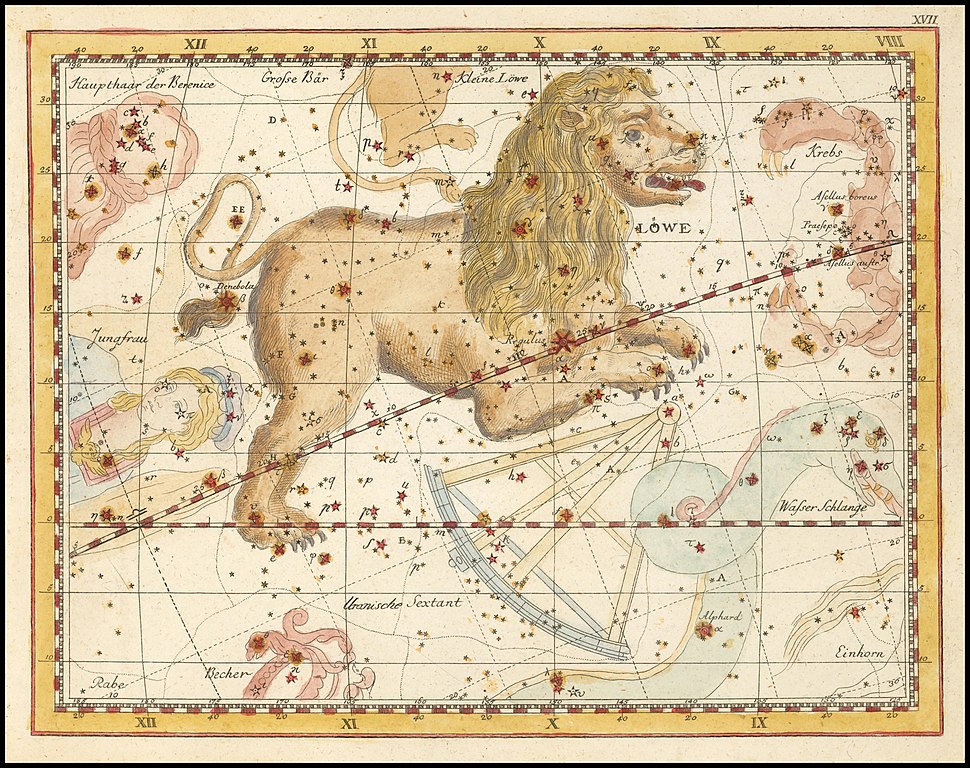
Thus, the Kings of Wands and Cups are favorable, as they govern the cycle of growth and success. The King of Wands aka Royal Star of Leo (23) is favorable for career, business, and assistance from people in authority, and his Queen is also emotional yet still successful (=24). The Knight of Wands (25) is considered a successful career knight/general, representing good analysis and strategy (this is the meaning of 25). The Page represents the lowest court rank and may also signify challenges and difficulties, for example in career or business (26). Similarly, 37 is the King of Cups aka The Royal Star of the Bull, or the King of Emotions, at the peak of his power—the number signifies favorable relationships, partnerships, etc. The Queen of Cups embodies emotions to the square, which probably is no longer a favorable solution (38). The Knight of Cups is impulsive and sometimes dangerous, as he is a successful commander who can occasionally be misled or betrayed by emotions. Thus, the number can signify both success and difficulties, giving it a more neutral meaning (39). The Page of Cups represents the risk of emotional entanglements and emotional exploitation, and from this perspective is not a favorable number (40).
The Kings of Swords aka The Royal Star of the Waterman (51) and Coins (65) are not necessarily lucky, as the numerical cycle turns downward after 51. The King of Swords, therefore, brings both success and danger in conflict (51), while the Queen of Swords adds a touch of emotion and intrigue—sword and emotions and grudges don’t go well together (52). The Knight of Swords is a sword to the square and in a more exposed position than the King (53). The Page of Swords, due to low rank, is like cannon fodder and in an even worse position (54). The King of Coins aka The Royal Star of Scorpio (65) is also a powerful figure like all kings, but he governs the final phase, which is also a phase of stronger disintegration—wealth must be hidden and protected, and wounds are not excluded. The Queen of Coins (66) is more successful at hiding wealth and in diplomacy, and is therefore generally luckier than the King of Coins. 67 is the Knight of Coins—probably represents danger in tarot as well, but this is the card that is most difficult to interpret using court card symbolism (??). The Page of Coins (68) cannot be a lucky number, as it is the lowest court card and is in an even more disintegrative phase.
 The Mystery of Numbers, Luck, Worlds and Planets